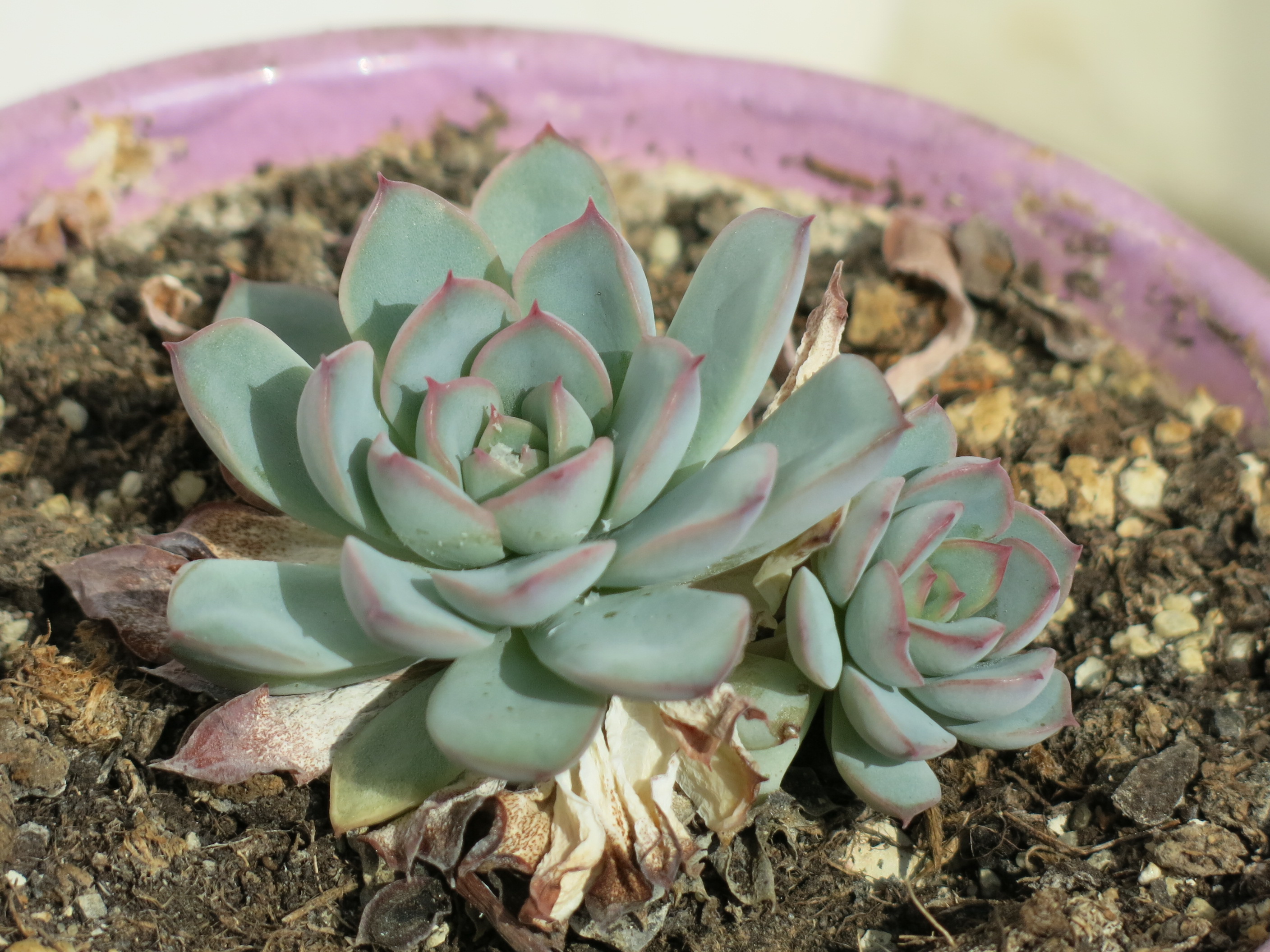
A struggling first plant can make you feel as though every decision was wrong. The leaves droop, the soil stays wet, or the plant simply refuses to grow. In most homes, the problem is not a mysterious plant disease. It is one of four ordinary things: the light, the drainage, the potting mix, or the watering routine. Fixing those basics is far more useful than buying another bottle of plant food.
Start by watching the light for a full day. A spot that looks bright at noon may be dark by three in the afternoon. Put your hand between the plant and the window. A soft shadow means the light is gentle. A sharp shadow means the plant is close to strong sun. No clear shadow usually means the corner is too dim for a plant that needs steady growth. Move the pot closer to the glass in small steps. A difference of two feet can change how much useful light reaches the leaves.
Next, check the bottom of the pot. Water needs somewhere to go after it moves through the soil. If the pot has no hole, or if a decorative cover traps water around the base, the roots can sit in a wet layer for days. You do not need to repot immediately. Tip the inner pot, let the excess water drain, and keep the cover dry. A simple saucer works better than a sealed container because you can empty it after watering. Good drainage does not mean the plant should dry out completely. It means the roots get both moisture and air.
The potting mix matters just as much. Many plants sold in shops are packed in a mix that holds water well for transport. That mix can stay too dense in a quiet room with little airflow. When you press a finger into the surface, the soil should feel loose rather than compacted. If it is heavy and smells stale, replace part of it with a mix that contains bark, perlite, or coarse material. The exact blend depends on the plant, but the goal stays the same. Water should pass through the root zone instead of collecting there.
Watering is where most beginners run into trouble. A weekly schedule sounds tidy, yet a plant in cool winter air may use water much more slowly than the same plant near a sunny summer window. Push a finger two inches into the soil. If it feels damp, wait. If the top layer is dry but the lower layer is still cool and moist, wait another day. You can also lift the pot before and after watering. The difference in weight will teach you more than a fixed calendar ever will.
Air movement and room temperature can explain problems that watering alone cannot. A plant placed against a radiator may lose water faster than its roots can replace it. A plant behind a closed curtain may stay damp for weeks. Keep the pot away from direct heat, cold glass, and strong drafts. Gentle air movement around the leaves helps the soil dry at a steady pace and makes it harder for mould to settle on the surface. You do not need a special fan. Opening a door or moving the plant into a room with normal daily activity is often enough.
Once you have checked all four basics, choose one change and wait. People often move the plant, trim the leaves, change the soil, and water it on the same afternoon. That makes it impossible to learn which adjustment helped. Give the plant two weeks in its new position or its new watering rhythm. Remove only leaves that are completely dry or mushy. Yellow leaves can still supply the plant with stored nutrients while they fade, so do not rush to cut every imperfect leaf.
Recovery is usually slower than decline. New growth at the tip of a stem is the clearest sign that the plant is heading in the right direction. If the old leaves remain unchanged but no new growth appears, look again at the light and the moisture near the roots. Most first plants survive a rough start when the grower stops guessing and begins observing. Once you understand how one plant uses its space, the next plant becomes easier to place, water, and keep. Keep a short note about when you watered, how much the pot weighed, and where the plant sat during the day. After a month, that small record will show a pattern that memory alone would miss. Good plant care is built from repeated observations, not from doing everything perfectly on the first try. A plant that is slowly recovering may still have old marks on its leaves, and that is normal.
If the plant continues to decline after two calm weeks, slide it from the pot and look at the roots. Firm roots in a loose mix point back to light or watering. Soft brown roots with a sour smell mean the soil has stayed too wet. Trim the damaged roots, move the plant into a clean mix, and water lightly until new growth returns. You do not need to rescue every leaf. You only need to give the roots a better environment and let the plant do the rest.