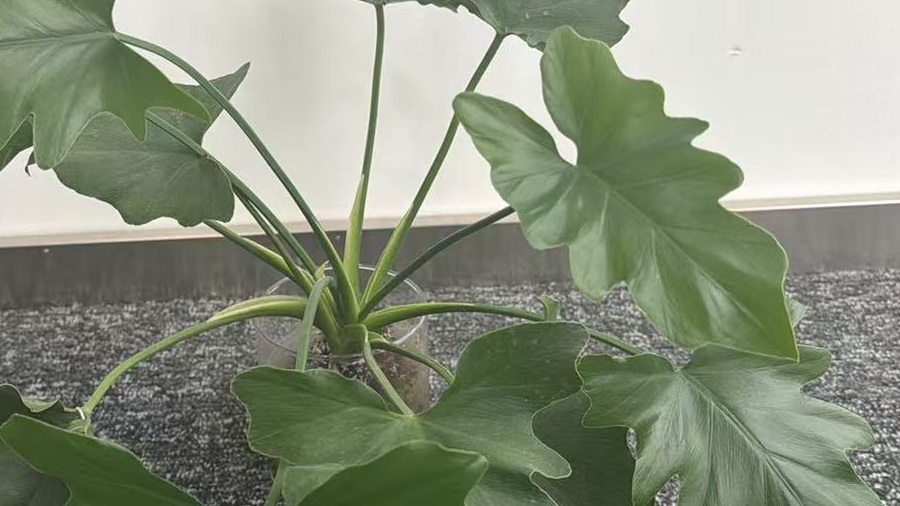
Spring is a convenient season for repotting because many plants are waking up and beginning new growth, but convenience is not the same as a rule. A plant can need a larger pot in late summer if the roots have filled every inch of space. Another plant may be perfectly content in the same container for two years even though spring has arrived. Repotting at the wrong time can set a plant back, so it is worth checking the roots and the way the soil behaves before you make a decision.
The clearest sign is a root ball that has reached the limits of the pot. Slide the plant out gently and look at the sides and bottom. Firm roots may touch the edge, but they should not form a tight spiral with no soil left between them. If you see more roots than mix, the plant is ready. If the roots are pale, firm, and surrounded by loose soil, the pot can wait. Disturbing a comfortable root system simply because the calendar says spring will create unnecessary stress.
Watering behavior is another useful clue. A plant that once took five days to dry may start drying out in two, especially when the room is warm. Water may run straight through the pot and out of the bottom because there is little soil left to hold it. That change often means the root ball is crowded. If the plant also produces smaller leaves or stops growing, the container may be limiting the roots. Check before assuming that every fast drying pot needs more water. More water in a full root ball will not solve the lack of space.
Choose a container that is only slightly wider than the current one. Moving from a six inch pot to a ten inch pot leaves a large ring of wet soil around the roots, and that soil can stay damp for too long. A pot one or two inches wider usually gives the plant enough room without creating a moisture trap. Make sure the new container has a drainage hole and stands level. If you want to keep the same decorative cover, place the new inner pot inside it rather than planting directly into a container without drainage.
Use fresh mix that suits the plant. A general indoor mix works for many foliage plants, while succulents and ferns may need different amounts of grit or moisture holding material. Loosen the outer roots with your fingers if they are tightly packed, but do not tear through the center of the root ball. Set the plant at the same depth as before. Burying the stem can cause rot, and planting it too high leaves the upper roots exposed. Fill the gaps gently and tap the pot rather than pressing the soil into a hard block.
Watering after repotting should be careful. Give the plant enough water to settle the mix, then let it drain completely. Do not feed it immediately. The roots need time to adjust, and fresh potting mix often contains enough nutrients for the first several weeks. Keep the plant out of harsh sun for a few days and away from strong wind. Some leaves may droop after the move even when nothing went wrong. Watch the new growth over the next month before deciding whether the plant needs another change.
Not every repotting job requires a larger pot. Sometimes the roots are sound but the mix has broken down and stays wet for too long. In that case, you can shake out the old soil, trim only the damaged roots, and return the plant to a clean pot of the same size with fresh mix. This is called refreshing the soil, and it can be better than jumping to a larger container. The plant gets air around its roots without a large volume of new soil holding extra moisture.
The safest time to repot is when the plant is actively growing and strong enough to recover. For many indoor plants that happens in spring, but a warm room with steady light can produce active growth at other times of the year. Avoid repotting a plant that is already losing leaves, sitting in cold conditions, or recovering from a move. If the roots are in trouble and the soil stays wet, act sooner and keep the plant warm. Read the plant first, then use the season as support rather than a fixed deadline. That approach gives the roots the best chance to settle without a long pause in growth.
After the move, keep the plant in a familiar position with the same light it had before. The new pot may hold moisture differently, so check the soil more often for the first month. Do not feed the plant just because it has fresh soil. Wait until you see steady new growth and then return to a gentle routine. If a few lower leaves turn yellow after repotting, the plant is using stored energy to settle its roots. Judge the result by the new growth that follows.