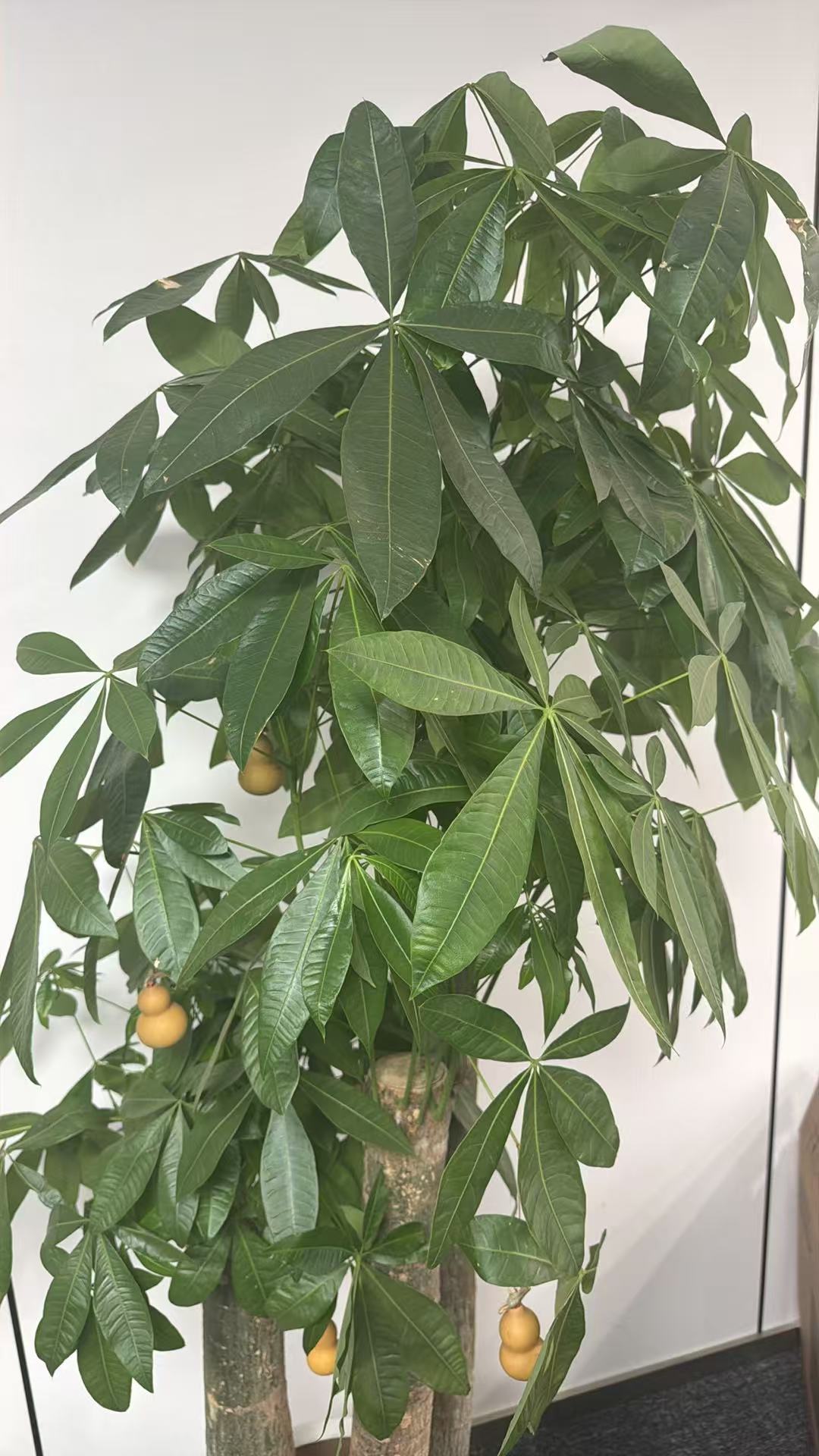
Small apartments make plant care feel harder than it needs to be because every object competes for the same few square feet. A plant that lands beside a window may block the only place where you can open a chair. A plant placed in a dark corner survives for months and then begins to fade. You do not need a shelf full of greenery to make a room feel alive. You need three working spots: one for bright light, one for gentle light, and one temporary place for watering and inspection.
The bright spot should sit close to a window that receives direct sun for part of the day, but not so close that the leaves press against hot glass. This is the place for plants that grow upright stems and thick leaves. Measure the space around the pot as well as the window itself. A plant may look small in the shop and spread much wider after six months. Leave enough room for the leaves to open and for air to move around the pot. If every available inch is filled, the plant will soon look cramped and difficult to water.
The gentle light spot can be further back in the room, but it still needs a clear view of the sky. A position eight feet from a bright window may work better than a dark shelf directly beside the glass. Turn off the room lights and look at the natural light on a cloudy afternoon. If you can read a book without turning on a lamp, the area has useful light. If the corner feels grey and heavy even at noon, choose a plant that naturally grows under a canopy. A plant that wants strong light will not adapt simply because it is placed on a pretty stand.
The third spot can be practical rather than permanent. Keep a shallow tray near the sink or in the bathroom where you can water plants, inspect leaves, and empty saucers without carrying wet pots across a rug. This is also where you can wipe dust from broad leaves and check the undersides for small insects. A temporary work spot saves time and makes problems easier to see. Once the pot has drained, return it to the place where it receives the right light. Plants do not need a dramatic display to benefit from a careful routine.
Traffic paths should shape every placement. A pot beside a doorway may be brushed by bags and sleeves every day. A plant on the floor near a kitchen corner may be kicked when the cupboard opens. Choose positions that leave a clear walking line and protect both the plant and the people who live there. A low stool can lift a pot above moving feet. A narrow wall shelf can move small plants out of the way. The best spot is stable, visible, and easy to reach with one hand.
Heat sources and air conditioning deserve special attention. A plant placed above a radiator may look warm and comfortable, yet the dry air can pull moisture from the leaves faster than the roots can replace it. A plant under a direct air vent may have the opposite problem because the moving air dries the soil unevenly. Move the pot several feet away from these sources and watch the surface of the soil for a week. If it dries much faster on one side, the plant is telling you that the position is not yet right.
Grouping plants can increase humidity and create a stronger visual shape, but crowding causes trouble. Leave a hand’s width between pots so you can water one plant without soaking the leaves of another. Rotate each pot a quarter turn every week or two. The side that faces the window will otherwise grow faster and pull the plant into a lean. A simple pencil mark on the rim can help you remember which side faced the light last time. Small habits like this keep a compact collection thriving without adding equipment.
Review the three spots when the seasons change. Summer light can be intense and long, while winter light is lower and shorter. A plant that thrived beside a window in June may need to move closer to the glass in January. A plant near a balcony door may suffer when cold air enters during winter. Instead of moving every plant at once, pick one pot and compare its new growth after a month. The goal is not to create a perfect interior. It is to give each plant a position that matches the life it can actually live in your home. When one spot stops working, the plant will show you through smaller leaves, longer gaps between them, or soil that stays wet for too long. Move it without guilt. A useful place matters more than a decorative arrangement.